Back

Button Mushroom Composting and Growing Course

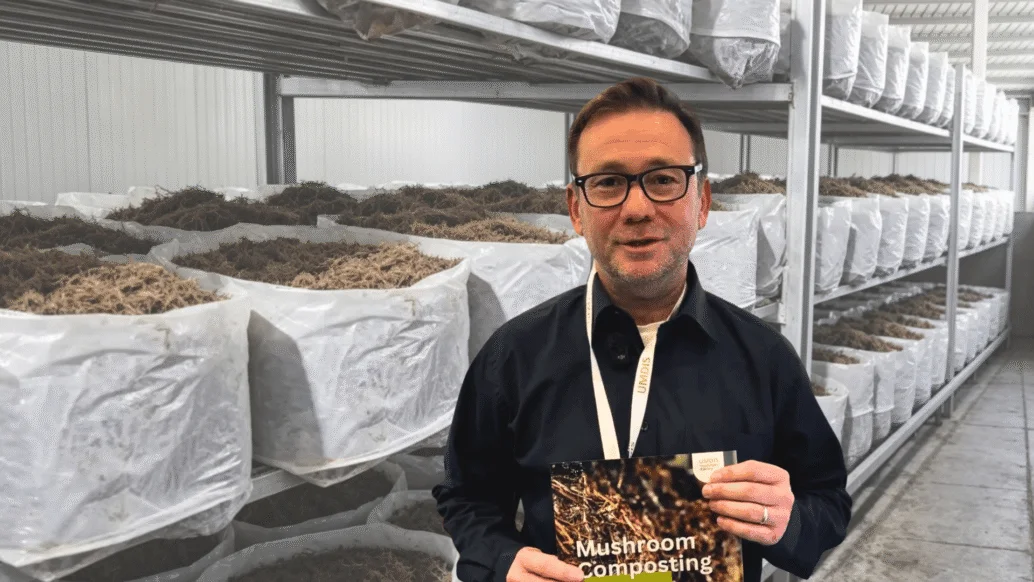
A 5-day hands-on intensive course in India on button mushroom composting and cultivation by Omar Haqqi. Venue: M/S Thakkar Agro Farms, Panipat. Price: 600 EUR.
16-20 November 2026
5 days
English
India

Starting at

600.00

Who should attend?

Whether you are starting from scratch or optimizing an existing farm.

Mushroom Growers

Growers seeking to optimize crop yields, manage microclimates, and prevent common diseases.

Compost Producers

Compost yard managers aiming to master raw material formulation, wetting, and Phase I & II biochemistry.

Farm Managers & Owners

Decision-makers aiming to transition to advanced technologies and high-CAPEX systems.

Agricultural Investors

Investors looking to establish modern, climate-controlled button mushroom operations in India.

Course Curriculum

Day 1

Raw Material Physiology, Formulation Calculations, and Phase 0 (Pre-wetting)

  • Biological classification of the button mushroom: Studying its nature as a secondary decomposer to understand why it requires a pre-prepared, competitor-protected nutrient medium.
  • Substrate selectivity parameters: Analyzing how to establish a strong biochemical barrier that blocks dangerous molds and secures the safety of the future crop.
  • Scalability of biological requirements: Recognizing how microflora needs for oxygen, moisture, and nitrogen apply across both seasonal Low-CAPEX farms and high-tech High-CAPEX tunnels.
  • Anatomical differences in straw varieties: Comparing paddy straw and wheat straw structures to accurately calculate pre-wetting duration and prevent over-watering.
  • Leaf-to-stem ratio management: Analyzing structural proportions of raw materials to avoid anaerobic compaction and undesirable substrate textures.
  • Rigidity, aeration, and ash content dynamics: Managing irrigation strategies for soft paddy straw to preserve pile structure and ensure proper natural ventilation.
  • Strategies for raw material blending: Evaluating operational choices and wetting pathways when handling diverse or mixed straw varieties.
  • Carbon-to-nitrogen (C:N) formula calculations: Determining the correct dosing of dry poultry manure to achieve optimal energy levels for the mushroom.
  • Mineral nitrogen application risks: Evaluating the boundaries, benefits, and structural hazards of using synthetic nitrogen sources like urea.
  • Gypsum functionality and dosage: Examining the chemical and physical effects of calcium sulfate on compost flocculation and structural aeration.
  • Recycled water ("goody water") utilization: Introducing starting thermophilic microflora from composting yard drainage to activate essential fermentation processes.
Day 2

Active Fermentation, Pasteurization, and Control of Phases I and II

  • High-temperature biological processes: Analyzing the effects of peak thermal windows and ammonia release on softening rigid straw fibers for easier mycelial assimilation.
  • Ligno-humus complex formation: Studying the binding of volatile ammonia with degraded lignin to secure a stable and accessible nutrient source.
  • Cycle optimization for different straw types: Determining the ideal retention times in Phase I piles to safeguard the fragile physical structure of the compost.
  • Pile aeration methodologies: Comparing forced and passive aeration systems to completely eliminate oxygen-free zones that harbor toxins and molds.
  • Main stages of Phase II composting: Reviewing the execution of temperature curves across all sub-stages to eradicate pathogens and convert ammonia into digestible protein.
  • The leveling stage for temperature equalization: Analyzing the biochemical necessity of uniform heat distribution prior to pasteurization to eliminate dangerous cold spots.
  • The pasteurization phase dynamics: Studying thermal and biological boundaries during peak heat treatment to ensure the complete eradication of pests and competitor molds.
  • Organoleptic indicators of readiness: Evaluating visual, tactile, and aromatic signs to confirm when the substrate is fully clear of free ammonia.
  • The practical "Squeeze Test": Demonstrating manual moisture assessment techniques for instantaneous evaluation of mass readiness before spawning.
  • Instrumental ammonia measurements: Utilizing Dräger tubes to precisely verify safe ammonia concentrations before introducing expensive spawn.
Day 3

Spawning, Incubation, and Specifics of Casing Soil in India

  • Technology and hygiene of spawning: Ensuring strict sterility and uniform distribution of the seed material for rapid colonization of the substrate volume.
  • Environmental optimization for the spawn run: Reviewing climate protocols within the growing room to protect the developing mycelium from heat stress and competitor molds.
  • Main goals of incubation: Defining the essential parameters required to support aggressive and healthy vegetative growth of the mushroom mycelium.
  • Identifying incubation completion: Monitoring key physiological milestones and visual indicators that confirm the substrate is fully colonized and ready for casing.
  • Climate parameters during incubation: Managing the balance of air temperature, compost temperature, and relative humidity to sustain steady mycelial development.
  • Key success factors during incubation: Prioritizing strict hygiene protocols and metabolic heat removal to prevent localized overheating and mycelial damage.
  • Specifics of Indian casing soil materials: Compounding a highly porous casing layer using available local materials like coco peat and clay.
  • De-acidification and pH adjustment: Calculating the application of chalk or defecate to create an optimal alkaline environment that blocks mold development.
  • Chemical disinfection protocols: Utilizing formalin to destroy hidden pathogens, bacteria, and wild mushroom spores in local casing soil components prior to application.
  • The role of Calcium: Selecting and applying appropriate calcium sources to stabilize soil structure and optimize chemical properties for crop stimulation.
  • CACing (Compost Added at Casing) technology: Integrating colonized compost into the casing layer to accelerate pinning uniformity and shorten the production cycle.
  • Specifics of bed watering at the initial stage: Achieving deep moisture saturation of the compost without the risk of washing away or destroying the structure of the casing layer.
  • Preventing clogging of the casing: Preserving air pores within the coco peat and clay structure to maintain unobstructed mycelial respiration under heavy watering conditions.
  • Technique and timing of ruffling: Restoring casing soil porosity at the precise physiological moment to encourage uniform mycelial movement and maximize yield potential.
  • Microclimate of the Recovery phase: Managing environmental parameters to promote quick, strong regrowth of the mycelial network after physical disruption.
  • Physiology of carbon dioxide accumulation: Determining optimal carbon dioxide thresholds to regulate timing and prevent premature pinhead formation below the surface.
Day 4

Vegetation Management and Fruiting Initiation

  • Targets of watering: Understanding the physiological goals of moisture application during key growth stages to support cell elongation and high pin density.
  • Watering schemas: Designing structured, reproducible irrigation schedules adapted to the unique water-retention traits of local Indian casing soils.
  • Climate during watering: Coordinating air circulation and relative humidity to ensure steady evaporation and proper water absorption without crop stress.
  • Induction of fruiting (Microclimatic Shock): Reviewing the gradual reduction of air temperature and CO2 levels to transition the mycelium from growth to fruiting.
  • Protecting beds from ambient air drying: Controlling the temperature delta between the air and the compost to retain moisture inside the casing layer under Indian climate conditions.
  • Managing flush density (generations): Applying the temperature spike method to stimulate the simultaneous and uniform development of pinheads.
  • Pinheading stage essentials: Mastering the environmental variables that govern the transition from primordia to viable young mushroom fruits.
  • Paradigm change in cultivation strategy: Shifting climate management focus as the crop requirements change from structural initiation to rapid growth.
  • Humidity control during pinheading: Defining precise relative humidity boundaries to protect young pinheads from abortion or drying out.
  • Other climate parameters during pinheading: Fine-tuning fresh air introduction, airflow speed, and ambient temperatures to sustain the rapid daily growth of the young crop.
Day 5

Harvesting Technology and Disease Protection

  • Physiology of weight gain in button mushrooms: Organizing the harvesting schedule based on daily mass expansion rates to maximize commercial yield.
  • Thinning out dense clusters on the shelves: Practicing the timely removal of specific mushrooms to provide growing space and increase total flush tonnage.
  • Watering on mushrooms and rapid drying: Implementing safe hydration methods for the growing flush and defining post-watering drying windows to eliminate bacterial blotch risks.
  • Managing the inter-flush period: Re-saturating the compost with moisture between harvests and managed CO2 to ensure heavy, dense mushroom development for upcoming waves.
  • Comprehensive course synthesis: Reviewing critical control points across all production phases to consolidate operational knowledge for the individual farm scale.
  • Certification and diplomas ceremony: Awarding official course credentials to validate professional training completion.

Venue & Accommodation

M/S Thakkar Agro Farms

Training Venue
A-68 Ansal Sushant City, Panipat, Haryana – 132103

Commercial button mushroom farm hosting all composting and cultivation practical blocks.

Recommended Accommodation

Convenient accommodation option recommended for course participants.

Watch our testimonials

Our clients

Frequently Asked Questions

Contact us

Button Mushroom Composting and Growing Course

A 5-day hands-on intensive course in India on button mushroom composting and cultivation by Omar Haqqi. Venue: M/S Thakkar Agro Farms, Panipat. Price: 600 EUR.

Here must be the select(language)

Price:

600.00

Send message

Thanks for joining!

Thanks for subscribing! We’ve got your email and will send you the freshest updates straight to your inbox.

You're all set!

Thanks for reaching out. We’ve received your request and will be in touch within 24 hours.